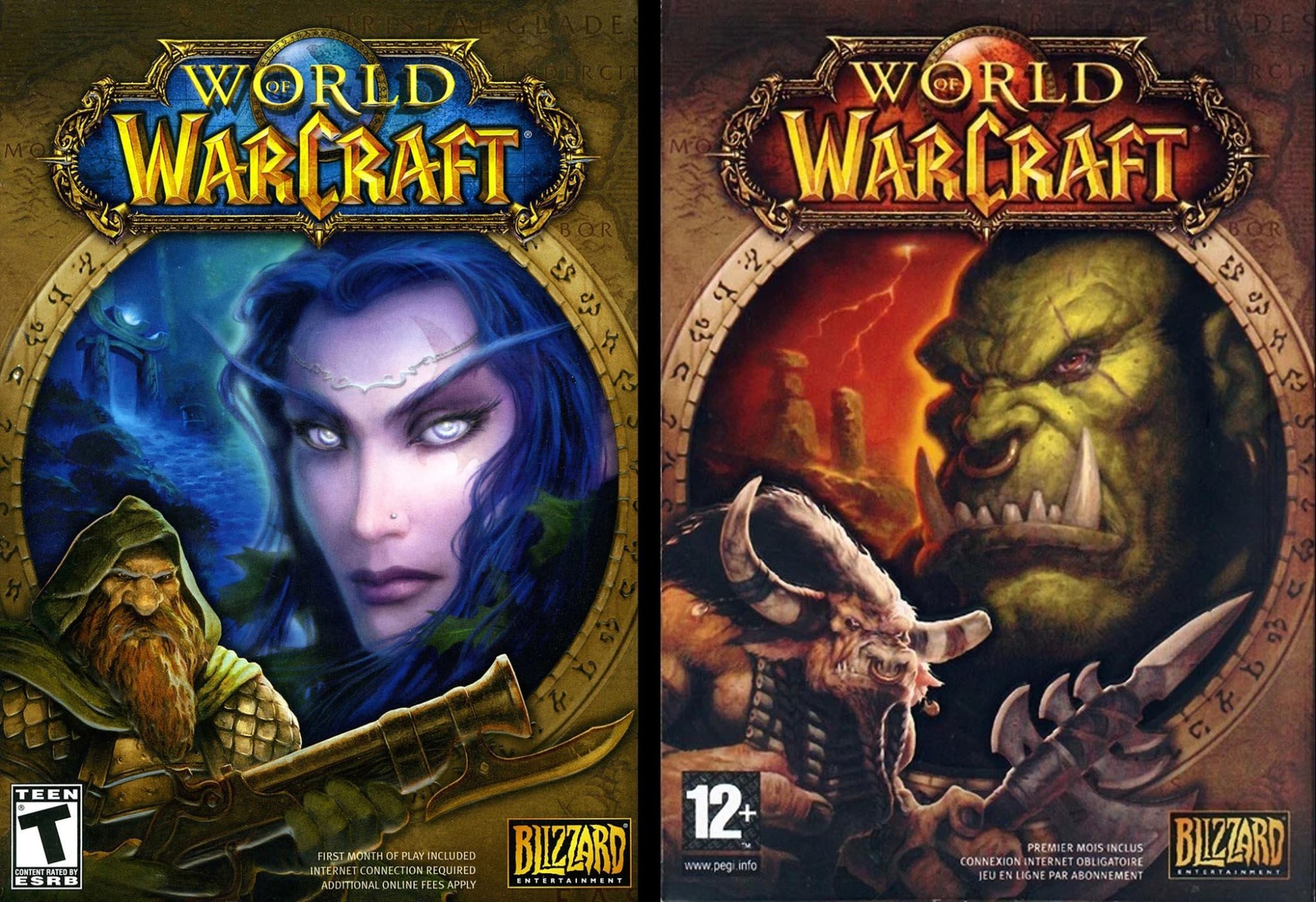
World of Warcraft was released in 2004 and became one of the defining MMORPGs: an online role-playing game with a large, persistent world and a community that, many years later, is still active.
The current version of World of Warcraft is not the same game it was at launch. It has been updated, patched, simplified in places, and made more accessible for casual players. World of Warcraft: Classic exists as a different kind of service: a return to the older, slower, less forgiving version of the game.
Why Classic matters
I do not think World of Warcraft: Classic exists only because of a desire to preserve an important part of gaming history. Community efforts around older versions of the game had already shown that there was a real audience for this kind of experience. Those unofficial worlds became a kind of proof of concept.
Classic also points to a larger problem in online games: successful live services often erase their own past through continuous updates. A game changes, improves, becomes easier to enter, but something of its original texture can disappear.
A personal history
My own path began with Warcraft 3 on PC. Its stylized design and story stayed with me. When World of Warcraft came out, I was a student without the money for the game and subscription, so I started on unofficial servers. Later, when I could pay for it, I moved between official and unofficial servers for a while.
With each expansion I often returned for a few months, stopped, and then came back again. Over time, the newer versions bored me faster. The reason is simple: even if I enjoy endgame content, I care more about leveling, exploration, and the slow growth of a character.
The original game gave that part more weight. Later expansions increasingly pushed players toward the maximum level and the endgame loop. That can be good for accessibility, but it changes the shape of the experience.
Why I prefer Classic
In World of Warcraft: Classic, chat channels feel alive. Some messages are useful, some are annoying, some are just bad jokes, but the noise gives the world a human presence. Players ask for quest help, look for hidden items, form groups for Deadmines or other dungeons, and talk because the game often requires them to.
One of my closest friendships began more than ten years ago in Duskwood, in Vanilla World of Warcraft, on an unofficial server. We are still in contact weekly. That kind of social memory is part of why the older structure matters to me.
Mechanically, Classic is both simpler and more demanding than modern World of Warcraft. There are fewer layers during combat, but choices around class, race, talents, mana, downtime, and positioning feel heavier. Pulling too many enemies can be a real mistake. Managing resources matters. Even small progress can feel earned.
It is easy to understand, but harder to master. It is not for everyone, and maybe that is part of why it works.
Killing enemies is rough at the beginning. Monsters hit hard, they do not scale around you, and your character is much easier to kill than in the modern version. Hit rating matters again. A bad pull can end badly. The game was designed around players helping each other, and Classic brings that back into view.
Modern World of Warcraft allows people to move through much of the game without needing to speak, ask, wait, or cooperate. That convenience has value, but it also changes the social fabric of the world. Classic is slower and more awkward, but it gives me more reasons to care about what happens between players.
That is why I prefer it.